The Challenge
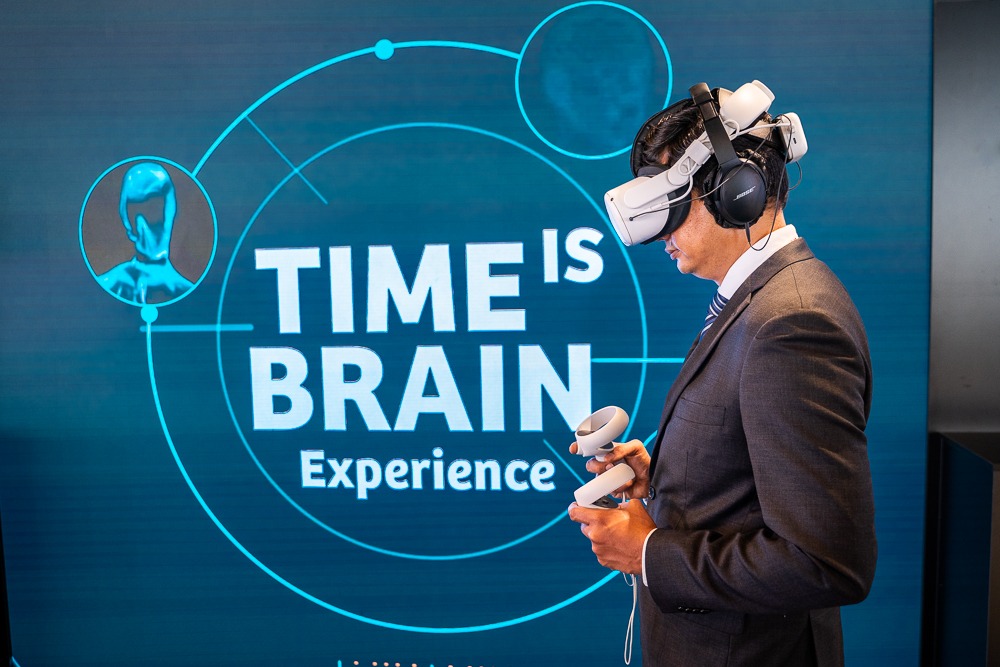
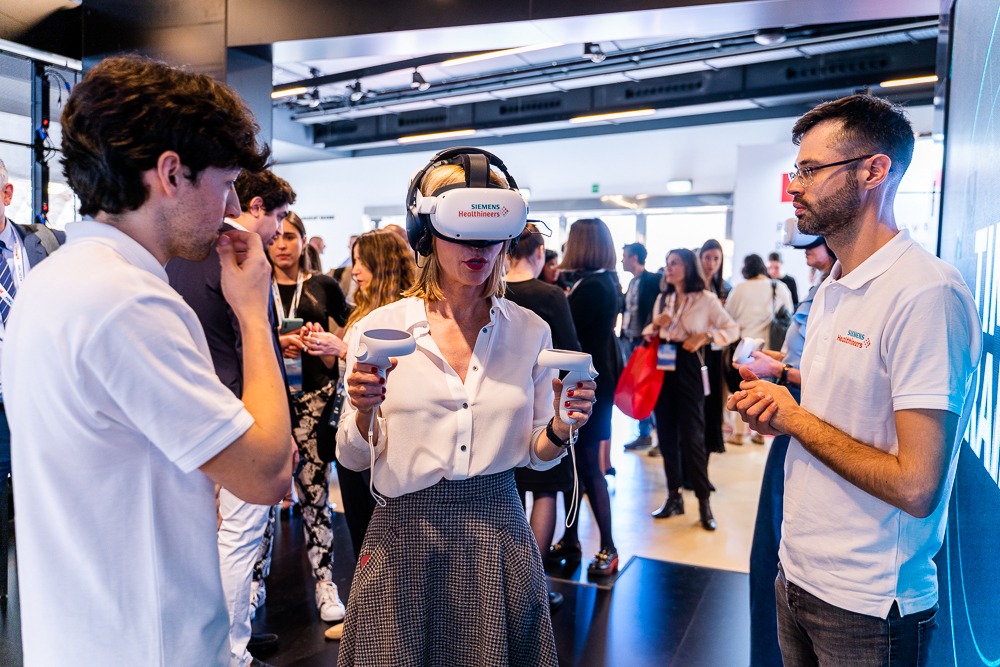
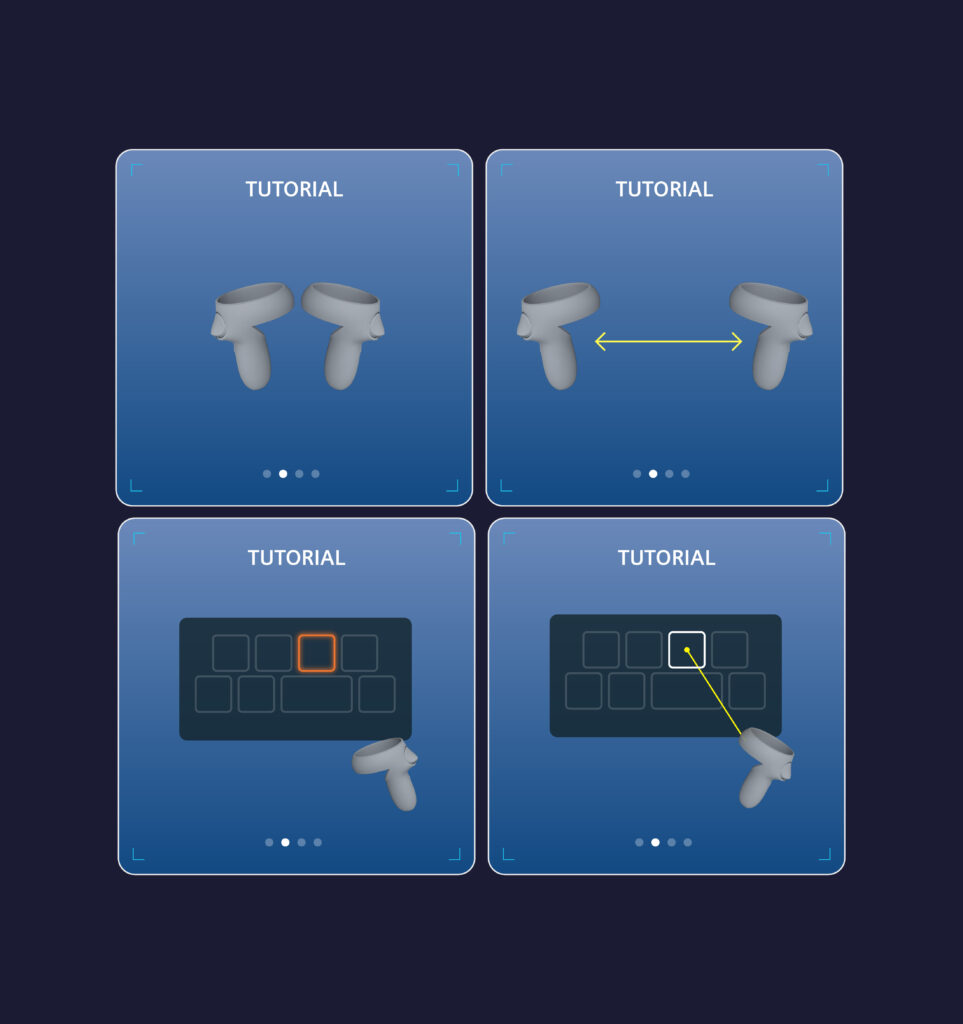
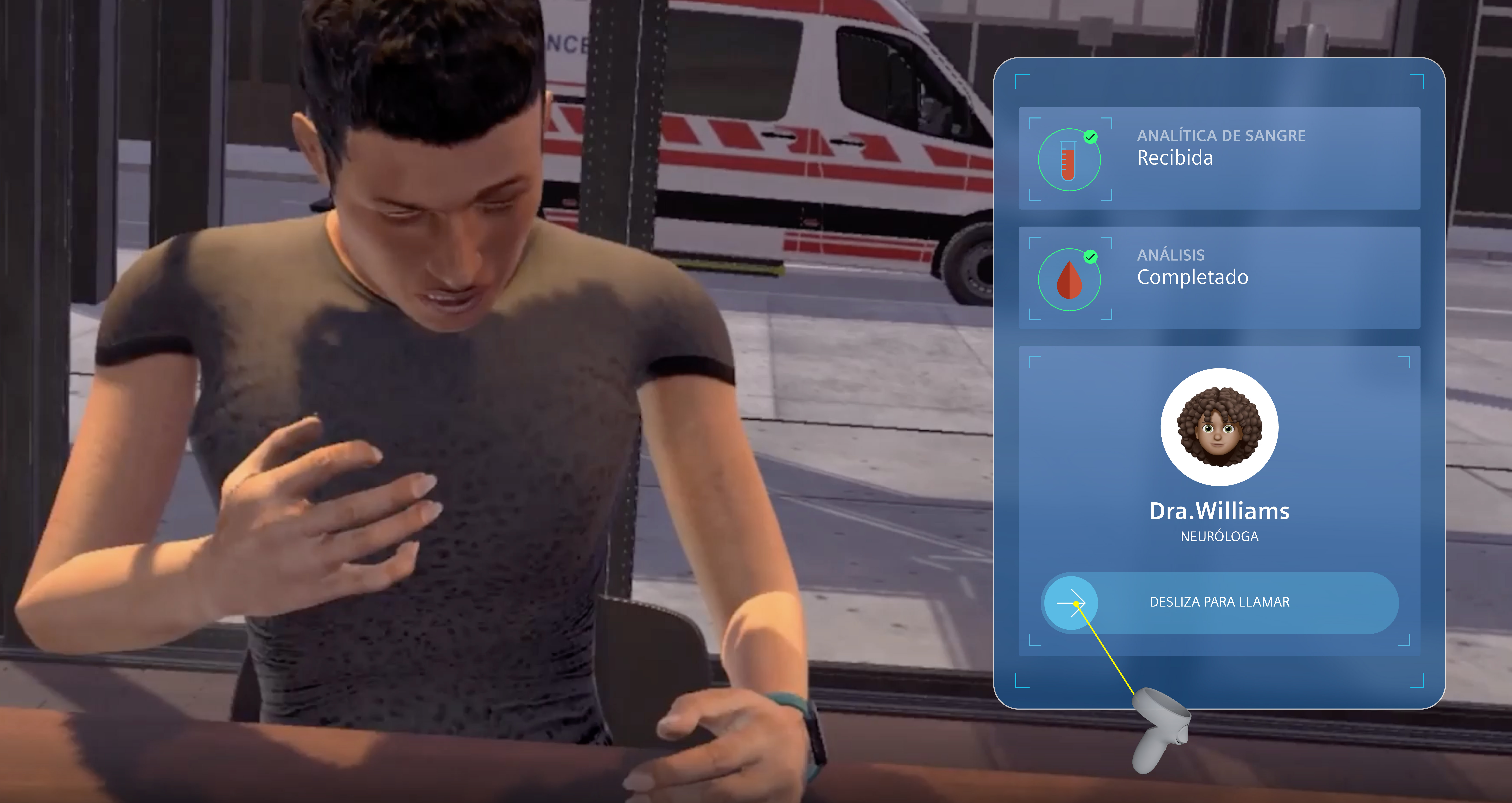
Designing for healthcare means balancing clarity with complexity. The platform needed to simulate time-critical stroke scenarios while presenting clinical information in a way that felt intuitive, reliable and easy to navigate. Every interaction had to reduce cognitive load and support confident decision-making in an immersive VR environment.rity under pressure. Additionally, the interface had to bridge the gap between complex hardware controls and a seamless, accessible user flow for healthcare professionals.


Design Approach
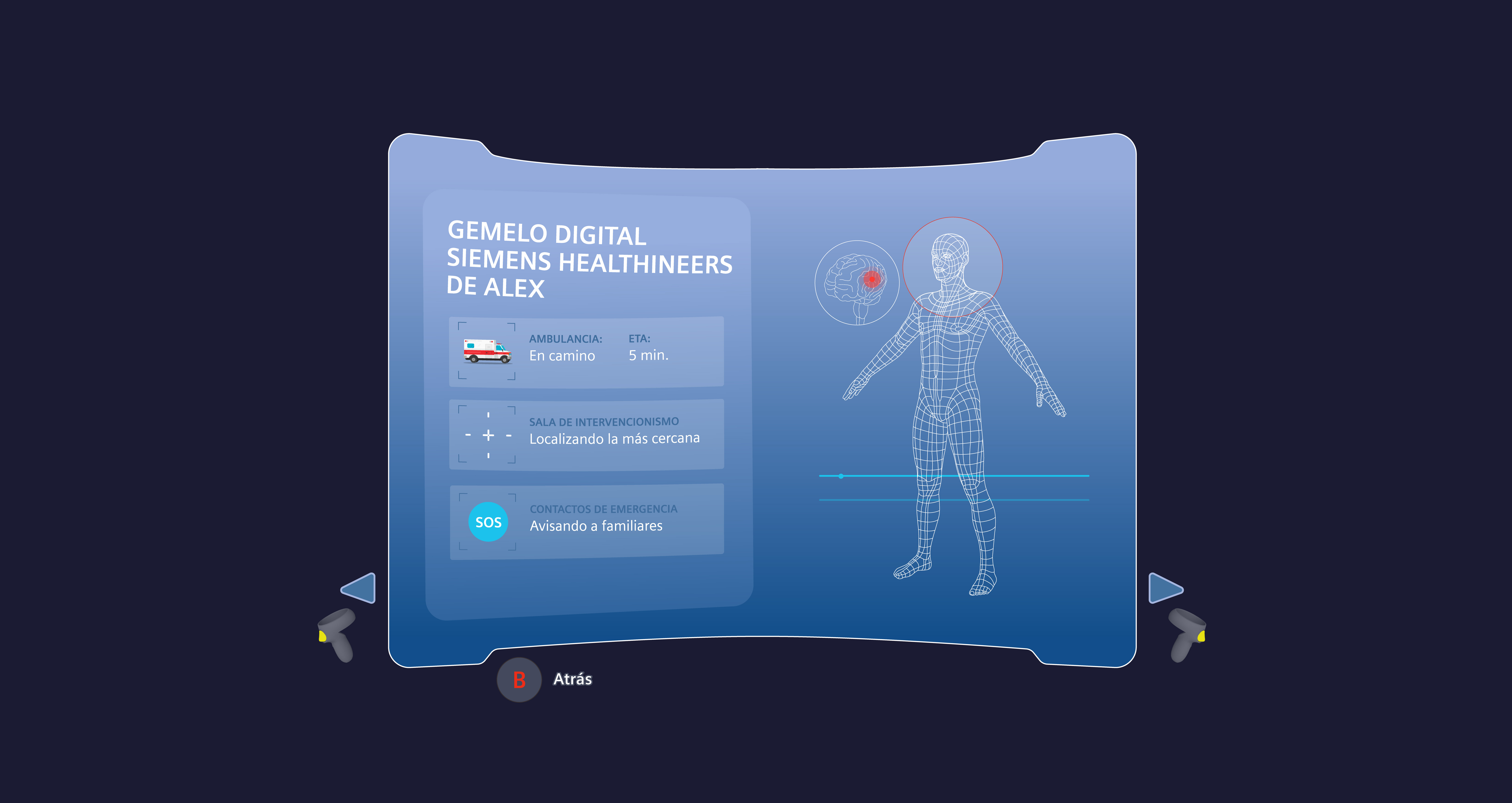
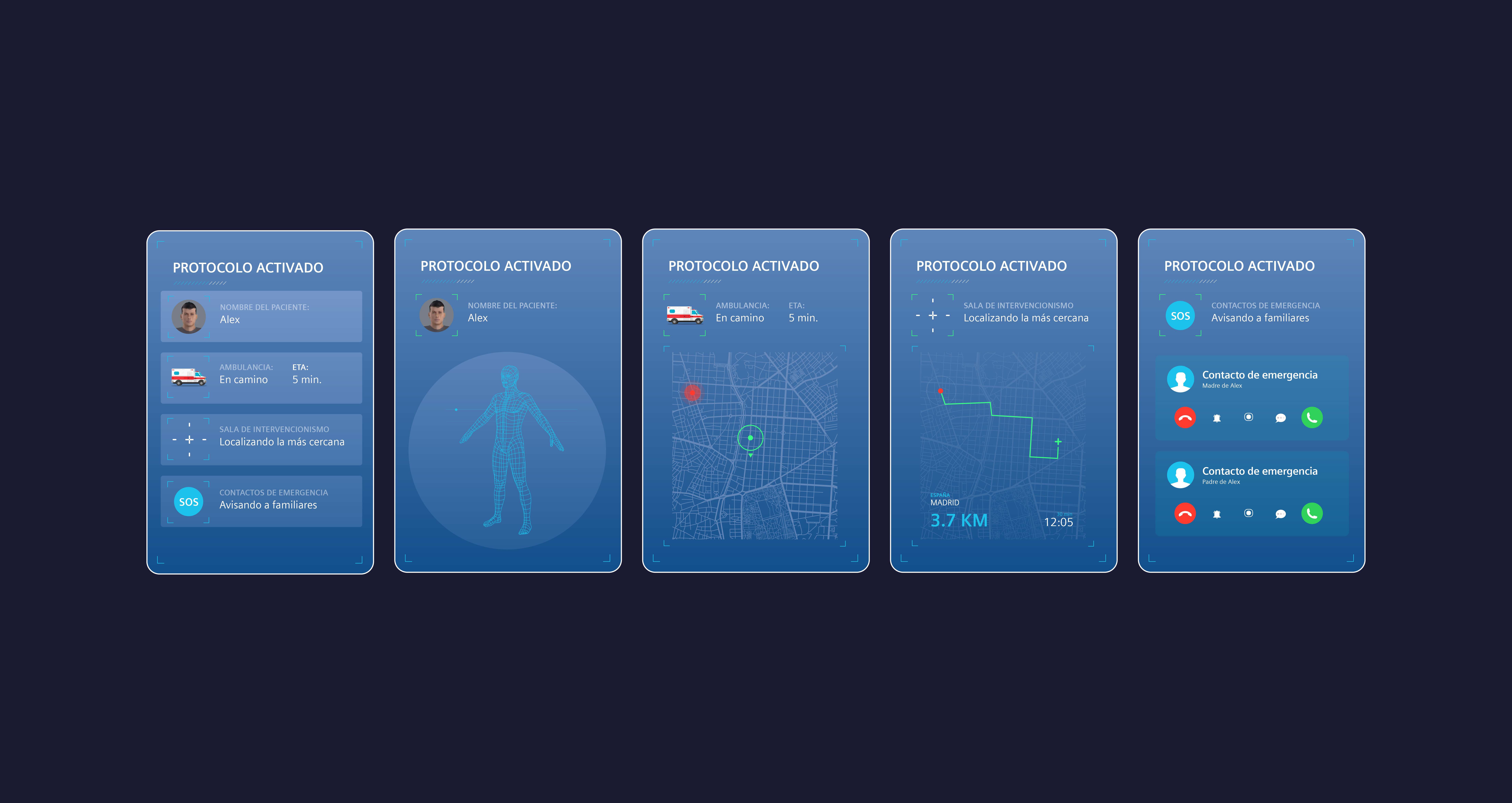
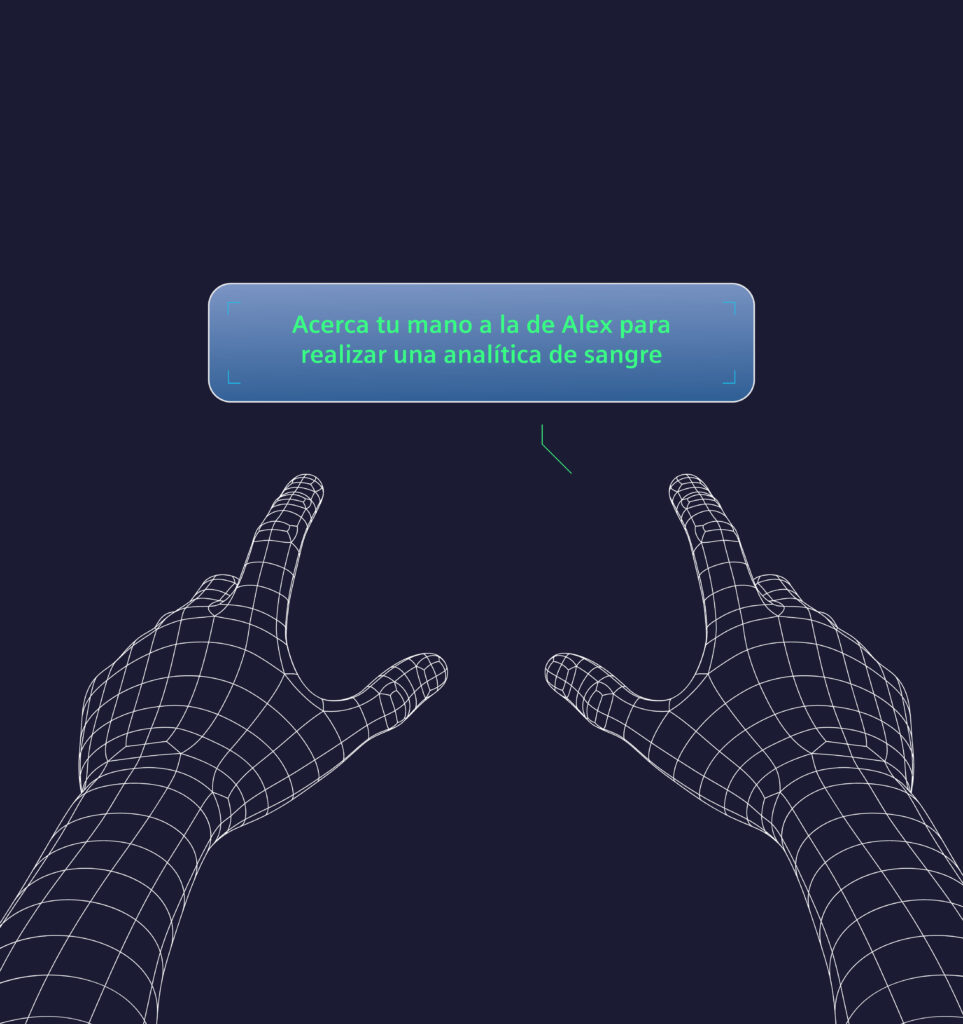
The interface was built around a clear visual hierarchy, high-contrast feedback and a modular design system tailored for virtual reality. Complex medical protocols were translated into simple interaction patterns, allowing users to focus on diagnosis and decision-making rather than the interface itself. The result was an immersive training experience that combined scientific accuracy with an accessible, engaging user experience.